Analyzing Midsole Foam Tech on the Trail
Grip, Lugs, and Ground Feel
Leaving the pavement requires a dramatic shift in footwear architecture. Trail running shoes prioritize proprioception (ground feel), lateral stability, and absolute traction over pure energy return. When navigating roots, rocks, and mud, an overly thick, bouncy midsole can become a liability, increasing the risk of ankle sprains.
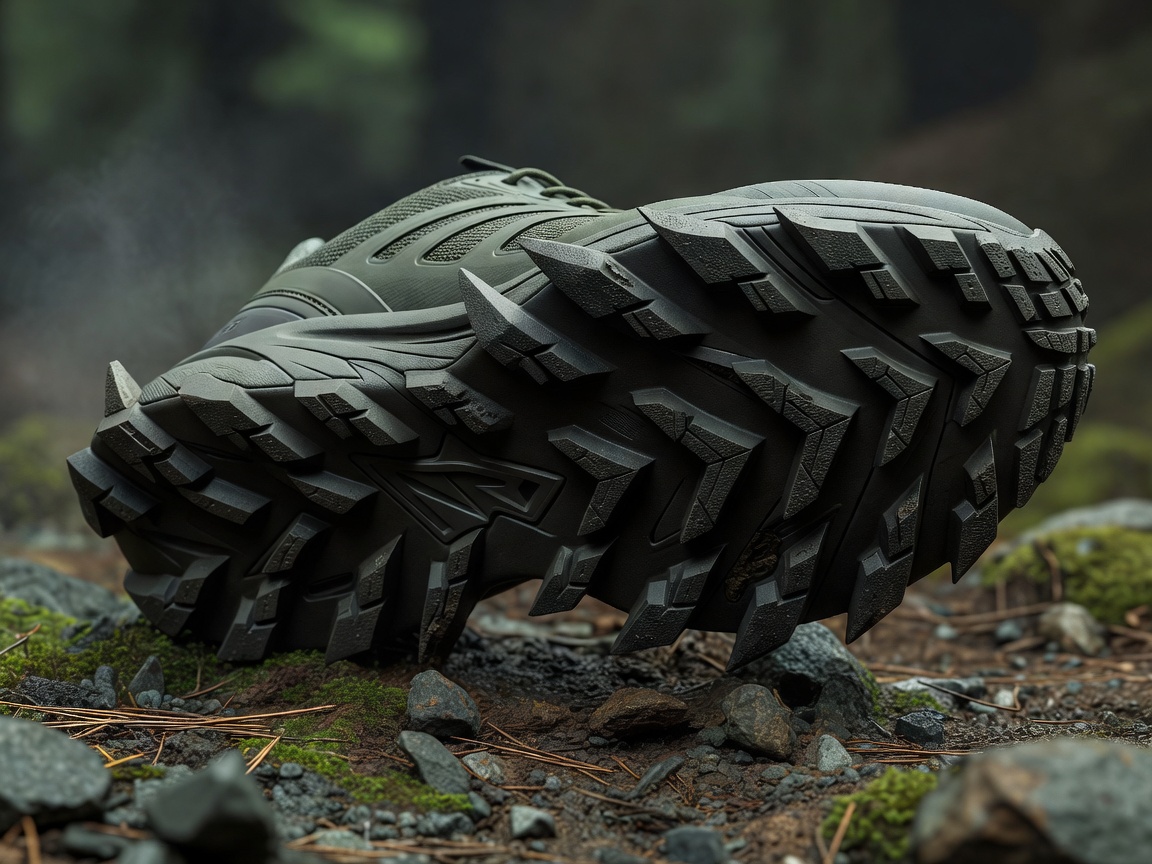
The Anatomy of a Trail Outsole
The most critical component of a trail shoe is the rubber compound beneath the foam. Brands often partner with rubber specialists to create outsoles that grip wet, slick surfaces. Vibram Megagrip is an industry standard, utilizing a soft rubber formulation that molds to micro-textures on rock faces without shredding under friction.
"A 5mm lug patterned in opposing chevron designs allows for aggressive climbing traction on the forefoot and secure braking on steep descents at the heel."
Rock Plates
Flexible ESS or woven carbon fiber shields embedded above the outsole to disperse point-loaded pressure from sharp stones.
Upper Durability
Engineered mesh is often reinforced with Kevlar overlays and robust toe bumpers to protect against trail debris.
Supercritical Foam Goes Off-Road
Recently, brands have begun porting "super shoe" technology to the trails. Ultra-marathoners racing events like UTMB require immense cushioning for 100-mile distances. Shoes like the Hoka Tecton X incorporate dual parallel carbon plates that offer propulsion while allowing for lateral decoupling—meaning the shoe can flex side-to-side to adapt to uneven terrain.