Analyzing Midsole Foam Tech & Carbon
Race Day Speed Architecture
When Eliud Kipchoge broke the 2-hour marathon barrier in Vienna, he didn't just showcase extraordinary human endurance; he ushered in the "super shoe" era. The combination of a stiff, curved carbon-fiber plate embedded within an ultra-thick layer of PEBA (Polyether Block Amide) foam rewrote the rules of marathon racing.
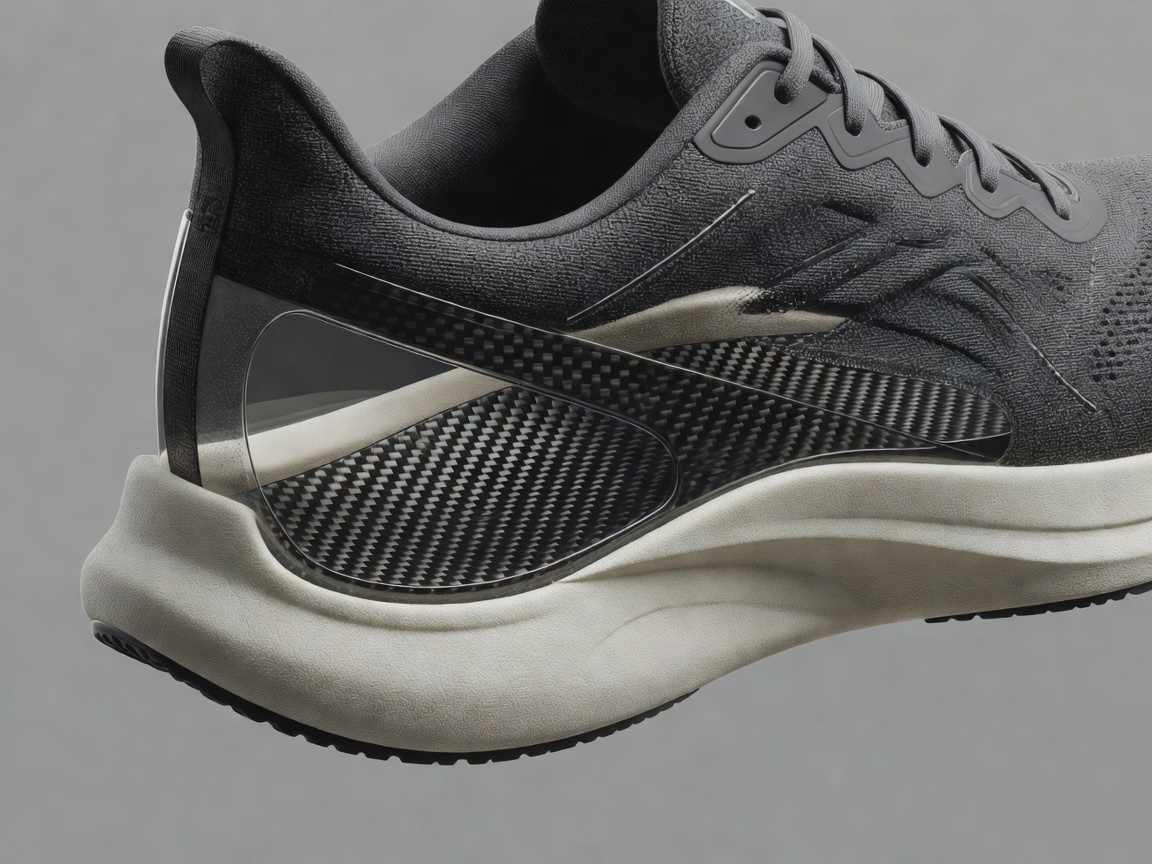
How the Carbon Lever Works
A common misconception is that the carbon plate acts like a spring. In biomechanical terms, it functions more like a lever and a stabilizing agent. PEBA foams boast an energy return of up to 85% (compared to ~65% for standard EVA). However, PEBA is highly unstable. The carbon plate stiffens the platform, keeping the foam from shearing laterally, while increasing the longitudinal bending stiffness to reduce energy loss at the metatarsophalangeal (MTP) joint.
"It is the precise geometry of the rocker working in tandem with the plate that propels the runner forward, improving running economy by 4% or more."
| Super Shoe Model | Midsole Foam | Plate Type | Drop |
|---|---|---|---|
| Nike Vaporfly 3 | ZoomX (PEBA) | Full-length Carbon Flyplate | 8mm |
| Adidas Adios Pro 3 | Lightstrike Pro | EnergyRods 2.0 (Carbon infused) | 6.5mm |
| Saucony Endorphin Elite | PWRRUN HG | Slotted Carbon Plate | 8mm |
The 40mm Rule
Following the explosion of super shoes at events like the Boston Marathon and the Olympics, World Athletics introduced regulations capping midsole stack height at 40mm for road events and prohibiting multiple overlapping plates. This ensures that while technology advances, the human element of marathon endurance remains paramount.