Analyzing Midsole Foam Tech
The Foundation of Road Shoes
Your daily trainers are the workhorses of your running rotation. While race day shoes take the glory, 80% of your weekly mileage happens in highly cushioned, durable road shoes designed to protect your musculoskeletal system from the relentless pounding of asphalt.
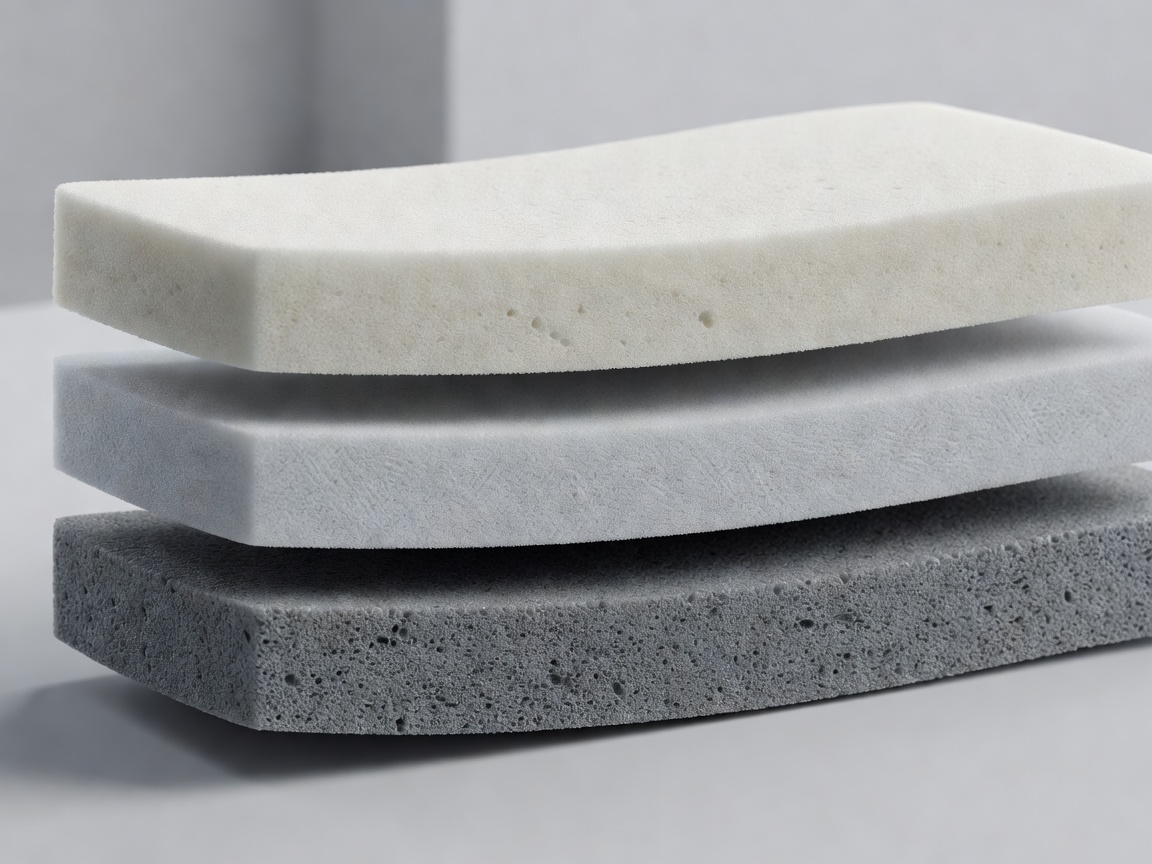
EVA vs. Supercritical Foams
Historically, Ethylene-Vinyl Acetate (EVA) was the undisputed king of midsole foams. It was cheap to produce and provided adequate shock absorption. However, modern biomechanics demand better energy return. Supercritical foams—where a gas like nitrogen or CO2 is injected into the foam block during expansion—create lighter, bouncier materials that resist compression set over long distances.
"The right foam geometry changes everything, turning a grueling 15-miler into a smooth, rhythmic glide."
Brooks Ghost Series
Utilizes DNA LOFT, a finely tuned blend of EVA, rubber, and air for a plush ride without bottoming out.
Asics Novablast
Features FF BLAST PLUS, offering a trampoline-like effect that makes daily miles feel effortless.
Heel-to-Toe Drop Offsets
The "drop" or offset of a shoe is the difference in stack height between the heel and the forefoot. Traditional road shoes hover around 8mm to 12mm, accommodating heavy heel strikers. Lower drop shoes (0mm to 4mm), popularized by brands like Altra and Hoka, encourage a midfoot strike, transferring the mechanical load from the knees down to the calves and Achilles tendon.