Analyzing Midsole Foam Tech & Support
Injury Prevention Features
Running is inherently high-impact. With every footstrike, your body absorbs up to three times your body weight. Over the course of a marathon, this equates to tens of thousands of impacts. When biomechanical form degrades due to fatigue, injury risks spike. Stability shoes are engineered to guide the foot through a safer, neutral gait cycle.
The Evolution of Stability
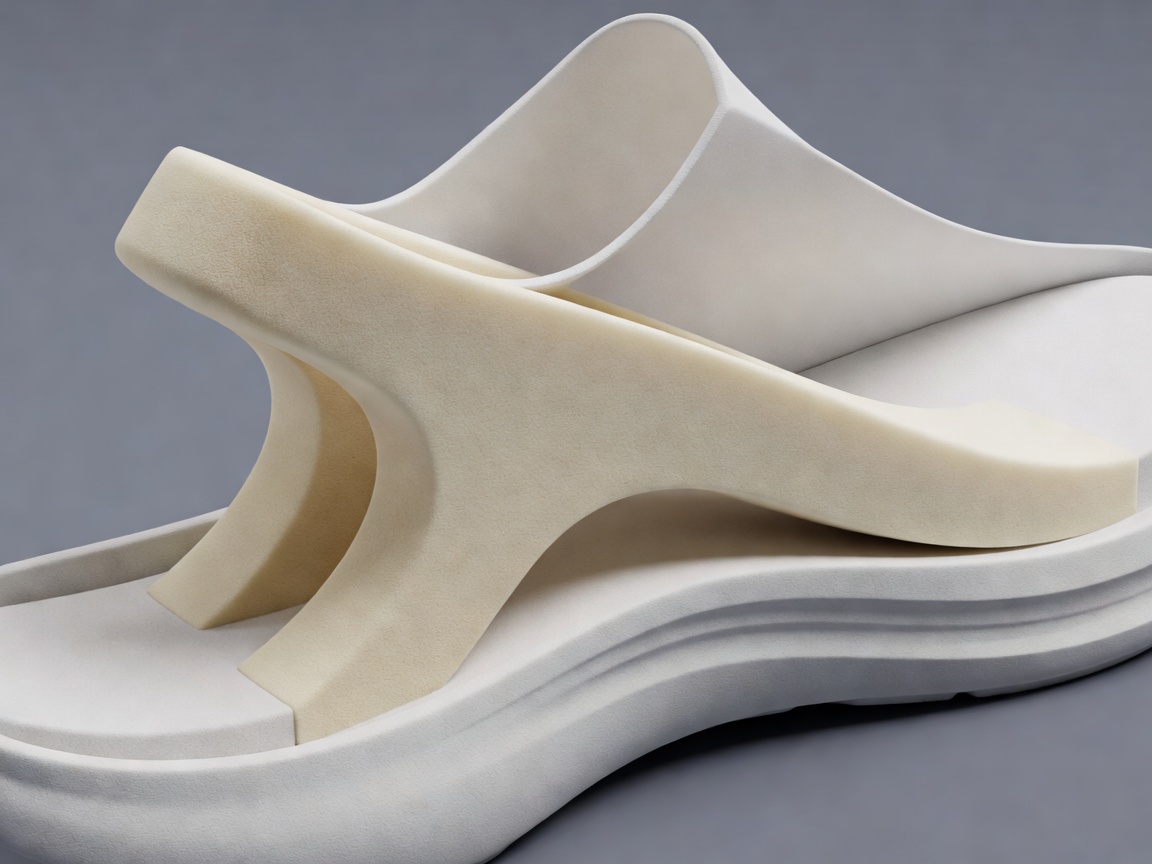
In the past, controlling overpronation (the excessive inward rolling of the foot) was achieved via stiff medial posts—dense blocks of EVA foam placed on the inside of the arch. While effective, they were heavy and often resulted in a clunky, unnatural ride.
"Modern stability is dynamic. It doesn't force the foot into submission; it gently nudges it back to a neutral path only when necessary."
Guide Rails and Flared Geometries
Today's injury prevention relies on smarter geometry. "Guide Rails," popularized by Brooks, act like bumpers on a bowling alley, keeping excess rotation of the heel and shin in check without interfering with a neutral stride. Additionally, excessively wide midsole bases and flared heel bevels create a highly stable platform that naturally resists torsional twisting.
J-Frame Technology
Uses firmer foam shaped like a 'J' to support the inside of the foot and heel, offering stability without rigid plastic plates.
Rocker Geometries
Curved soles that facilitate a smooth transition from heel to toe, reducing the active work required by the lower leg muscles.